
5 Supplements for Acne
Discover the benefits of acne supplements for clearer skin.
Written by Bri Mesenbring, MS, CNS, LDN | Last updated: April 15, 2025.
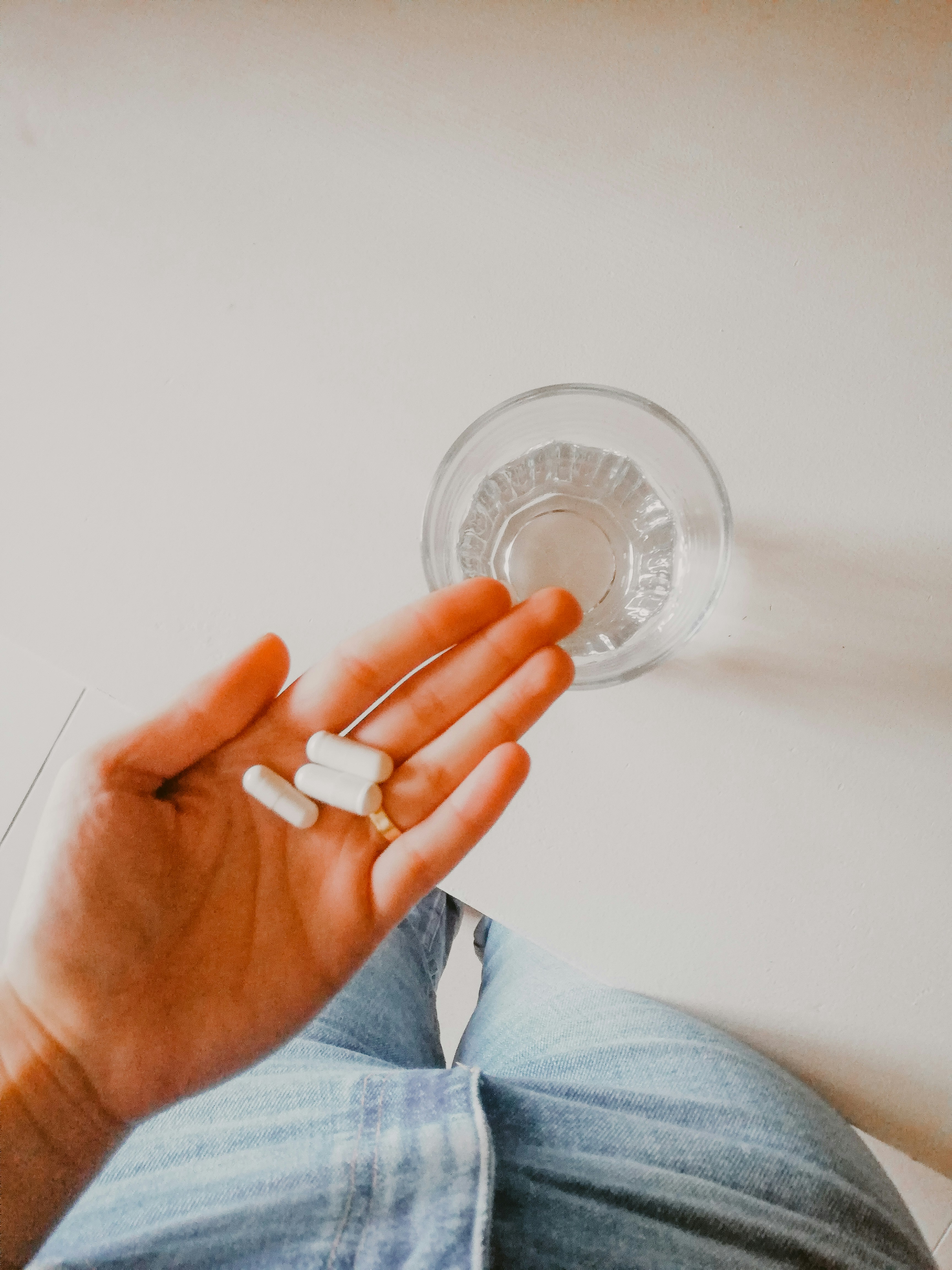
There are 5 acne supplements that you need to be aware of.
These include pantothenic acid, L-carnitine, zinc, omega-3 fatty acids, and vitamin D.
In this article, we will look into the best supplements for acne, how it may help, and understand how they work.
When it comes to acne, you have several tools available that can be helpful on your way to clear skin. They include vitamins, minerals, probiotics, topicals, masks, dietary changes, and lifestyle changes.
Today, you will learn to cut through the noise and understand how to use supplements to help clear up acne.
Setting the Stage: How Supplements Disrupt Acne
There are four contributing factors in the formation of acne: excess sebum production, hyperkeratinization of follicles, the presence of a bacteria called Cutibacterium acnes (C. acnes), and a local immune response.
Acne supplements must disrupt one of these four factors to be effective.
Let’s dive in.
Acne Supplement 1 + 2:
Pantothenic Acid + L-carnitine
How is it helpful? Pantothenic acid may be helpful in regulating normal keratinocyte growth. L-carnitine may be helpful in supporting normal sebum (oil) production.
How is it used? Research has used 2.2 grams of pantothenic acid and 733.3 mg of L-carnitine daily for 12 weeks with promising outcomes.

Pantothenic acid, L-carnitine, and acne
It is not well understood how pantothenic acid may help reduce overall acne spots. However, research suggests it may help support skin barrier function by regulating keratinocyte function. This may indicate that pantothenic acid functions to stop excessive growth and differentiation of keratinocytes.
L-carnitine may help support normal sebum production, promoting overall healthy skin.
Pretty cool.
There are also some hints that pantothenic acid may help support normal inflammatory responses, but the evidence is weak.
The research
To date (and to the authors’ knowledge), only one randomized clinical study has investigated the role of a pantothenic acid supplement (with L-carnitine) in acne.
Fifty-one adults with non-inflammatory and inflammatory acne were split between the pantothenic acid and placebo groups. Subjects were instructed to take two tablets twice daily with food totaling 2.2 grams of pantothenic acid and 733.3 mg of L-carnitine for 12 weeks.
The study’s primary outcome was the potential reduction in acne lesion count between the two groups.
Compared to the placebo, the pantothenic acid group exhibited a 68.21% reduction in total lesion count (P = 0.0197) at the end of 12 weeks.
Additionally (and perhaps the most surprising) is the impact of pantothenic acid on non-inflammatory acne lesion count (blackheads and whiteheads). Compared to the placebo group, the group given 2.2 grams of daily pantothenic acid exhibited a non-inflammatory lesion count that reduced from approximately 41.2 lesions at the start of the study to about 14 after 12 weeks (P = 0.0162).
How it may help?
The authors explain that pantothenic acid may support normal lipid metabolism through the enzyme coenzyme A (which uses pantothenic acid, aka vitamin B5) as a cofactor.
Put simply, coenzyme A uses pantothenic acid as a catalyst for specific reactions, making the reaction happen more efficiently than it would without pantothenic acids help.
It may also support skin barrier function by helping to normalize the differentiation of keratinocytes.
Carnitine is used in the mitochondria to shuttle fatty acids across the cellular membrane to be burned for cellular fuel. It is thought that supplementing with carnitine may help support normal sebum (oil) breakdown.
Skin Insider Tip
Many supplement brands offer acne-specific products with around two grams of pantothenic acid and 500 mg or more of L-carnitine per serving.
Some from the top of my head include:
- Design for Health’s Acnutrol
- Nutrafol Skin Health Supplement
My favorite brands of supplements include other nutrients, ingredients, and herbs like the ones featured in this article. Research has shown that these ingredients support the various contributing factors to acne. Combined, these ingredients work to comprehensively support acne.
You will want to download the Acne Supplement Guide for specific product recommendations.
Acne Supplement 3: Zinc
How is it helpful? Zinc levels are lower in acne patients than in controls. Zinc has been found to downregulate key metabolic pathways that help mitigate the effects of acne.
How is it used? Zinc was used as zinc sulphate or zinc gluconate (in clinical trials), between 100 mg and 600 mg/day, and for a duration of between three and 12 weeks.

Zinc and acne
Zinc is a mineral that is required for over 300 enzymes that perform a wide range of metabolic functions. Zinc has known anti-inflammatory and antioxidant functions.
Compared to controls, patients with acne have been shown to have lower serum zinc levels.
In a review of clinical studies involving 1,284 participants, zinc levels were lower in individuals with acne than controls. Serum zinc levels were 96.308 ± 4.053 (92.255-100.361) µg /dL in acne patients and 102.442 ± 3.744 (98.698-106.186) µg /dL in controls.
It’s important to note that most of the participants in the included studies were male and young, between their teen years and late 20s.
This is important because we cannot accurately generalize that “all patients with acne have lower serum zinc levels.”
However, what we can conclude is that it’s common to see lower serum zinc levels in young male patients that have acne, and it may be worthwhile to assess zinc levels in other populations that present with acne, such as young females and women in their 30s and 40s.
The “optimal” values for zinc range from between 80-100 µg /dL; however, the findings from clinical data may suggest that patients who have acne may see some clinical benefit with values either on the higher end of normal (90-100 µg /dL) or above 100 µg /dL.
Since zinc levels in acne patients are better understood, the question becomes…
“Can supplementing with zinc be supportive for those with acne?”
The research
Based on the included studies in a systematic review, compared to controls, the groups of acne patients that were given zinc supplementation exhibited a reduced number of acne papules and improved clinical outcomes.
Zinc was used as zinc sulphate or zinc gluconate, between 100 mg and 600 mg/day, and for a duration of between three and 12 weeks.
The most common dose used was around 400 mg/day of zinc and for a duration of less than 12 weeks.
When I work with patients who want to exhaust natural solutions to their acne before seeking conventional care, I ask them to take supplements for three months.
How it may help?
In acne, zinc fights against the growth of C. acnes and decreases sebum production—both crucial in acne lesion formation. Additionally, zinc downregulates (read: turns off) key metabolic cellular pathways involved in acne formation. Specifically, zinc downregulates the insulin-like growth factor-1 (IGF-1) pathway, which is known to be involved in acne.
Food sources of zinc and simple recipes
If you would rather eat your way to improved zinc status, try incorporating foods like six medium-sized oysters, which give you between 27 and 50 mg of zinc.
For those who just went, “Yuck!”: oysters give you the best bang for your buck when it comes to zinc intake. Other sources of zinc include:
| Food | Serving size | Zinc (mg) |
| Oysters, cooked | 6 medium | 27-50 mg |
| Beef, chuck, blade roast, cooked | 3 ounces | 8.7 mg |
| Beef, ground, 90% lean, cooked | 3 ounces | 5.4 mg |
| Fortified whole-grain oat cereal | 1 cup | 3.8 mg |
| Pork, loin, cooked | 3 ounces | 2.7 mg |
| Chicken, dark meat, cooked | 3 ounces | 1.8 mg |
| Cashews | 1 ounce | 1.6 mg |
| Pecans | 1 ounce | 1.3 mg |
| Chickpeas | ½ cup | 1.2 mg |
| Beans, baked | ½ cup | 0.9 mg |
With the recommended dietary allowance (RDA) coming in at 11 mg for adult males and 8 mg for adult females, you should be able to craft a diet plan that easily reaches this amount.
But remember, for those with acne, you might need more dietary zinc intake than what is deemed “recommended” to support acne.
From the foods listed above, here are a few recipe ideas to help you eat more zinc!
BEEF AND BEAN SKILLET HASH
Ingredients:
- Cooked ground beef (1 cup)
- ½ cup baked beans
- ½ cooked chickpeas
- ¼ tsp cumin
- Salt and pepper, to taste
Instructions:
- Combine all ingredients to a pan and heat until warmed through
- Stir in salt and pepper, to taste
- Serve as-is, or with a simple side salad
CHUCK ROAST AND PECAN MASHUP
Ingredients:
- 1 cup shredded cooked beef chuck roast
- 2 Tbsp pecans, chopped
- Sea salt
- Garlic powder
Instructions:
- Cook the chuck roast according to instructions
- Top with chopped pecans and a dash of sea salt
- Add a pink of garlic powder, if desired
CHICKEN & CASHEW STIR BOWL
Ingredients
- 1 cup cooked chicken dark meat, chopped
- 2 Tbsp cashews
- 1 tsp soy sauce or tamari
- Ginger powder or minced fresh (pinch)
Instructions
- In a pan, heat the chicken with cashews.
- Add soy sauce and a sprinkle of ginger.
- Serve warm — great alone or over greens.
Acne Supplement 4: Omega-3 Fatty Acids
How is it helpful? Omega-3 fatty acids may help support acne by decreasing inflammatory responses in the body, inhibiting IGF-1 synthesis, and reducing sebum production.
How is it used? Omega-3 fatty acids (as EPA and DHA) have been given at 2,000 mg per day for at least 10 weeks in clinical trials.

Omega-3 Fatty Acids and Acne
Omega-3 fatty acids are long-chain fatty acids that may help support a healthy inflammatory response in individuals struggling with acne.
These essential fats include alpha-linolenic acid (ALA), eicosapentaenoic acid (EPA), and docosahexaenoic acid (DHA), and they’ve been studied for their potential to influence several key pathways involved in acne.
Unlike omega-6 fatty acids, which include arachidonic acid (AA) and linoleic acid (LA), which can lead to the formation of pro-inflammatory compounds, omega-3 fatty acids are transformed into anti-inflammatory like prostaglandins and leukotriene B5. These compounds may help decrease inflammation in the body, which is a known driver in acne.
But inflammation isn’t the only piece of the puzzle. Excess sebum production is also a concern. Interestingly, omega-3 fatty acids may help to regulate excess sebum production by downregulating the effects of IGF-1.
IGF-1 plays a central role in activating a cellular signaling complex called the mammalian target of rapamycin complex-1 (mTORc1). mTORc1acts as a “growth” signal in the body, which stimulates cell proliferation, lipid synthesis, and, in the case of sebocytes, more sebum production.
mTORc1 activation may also be associated with hyperkeratinization within the pilosebaceous unit (PSU), potentially contributing to acne formation.
Although research is limited, findings suggest that omega-3 supplementation may help reduce mTORc1 activity by lowering IGF-1 levels. This mechanism may be especially important for acne patients who show signs of metabolic imbalance or excess inflammation.
This theory is supported by the finding that omega-3 fatty acid levels in certain acne populations are lower than those of healthy controls. Researchers investigated the omega-3 fatty acid status of 100 patients (57 females, 43 males) with acne, aged between 15.9 to 28.9 years, using the HS-omega-3 Index®. This index measures the amount of EPA and DHA in red blood cell membranes and is considered a useful biomarker for omega-3 sufficiency.
The target omega-3 index was between 8 and 11%, where a deficit was < 8% and a severe deficiency was defined as values < 4%.
The majority of acne patients in this study exhibited an omega-3 Index® of 5.15%, indicating a clear trend of insufficiency. Although not statistically significant, there was also a noted trend between lower omega-3 levels and higher IGF-1 concentrations.
Altogether, these findings suggest that omega-3 supplementation or increasing omega-3 consumption through diet may help support individuals struggling with acne by downregulating pathways involved in excess sebum production, inflammatory pathways, and anabolic processes.
For those seeking the best supplements for acne, omega-3s – especially EPA and DHA – may be worth considering.
The research
Although human studies are limited, a few clinical trials have investigated the effects of omega-3 supplementation in acne treatment.
In a randomized, double-blind, controlled trial, 45 participants who presented with acne were given either 2,000 mg of EPA and DHA per day, 400 mg gamma-linoleic acid (GLA) per day, or control. The study aimed to investigate changes in lesion count, acne severity, and subjective outcomes over a 10-week period.
After 10 weeks of daily supplementation, the groups that were given the 2,000 mg of EPA and DHA exhibited a significant reduction in the mean inflammatory acne lesion count – dropping from 10.1 ± 3.2 to 5.8 ± 3.4.
Similarly, participants receiving the GLA also experienced a decrease in their inflammatory lesion counts, falling from 9.8 ± 5.2 to 6.6 ± 3.7 after 10 weeks.
To understand the mechanism better, researchers collected skin biopsies from acne lesions.
The assessed inflammation by measuring staining intensity for the inflammatory compound interleukin 8, a pro-inflammatory cytokine.
The intensity of the staining for IL-8 decreased from 1.9 to 1.5 in the omega-3 group, and from 1.8 to 1.4 in the GLA group, suggesting that both omega-3 and omega-6 fatty acids can decrease local inflammation within acne lesions.
How it may help?
More research is needed, but current evidence weakly supports omega-3s as a promising acne supplement that targets multiple layers of acne pathophysiology – from inflammatory cytokines to sebum overproduction.
For those exploring supplements for acne, omega-3s (especially EPA and DHA) may offer a multi-targeted approach worth considering.
Acne Supplement #5: Vitamin D
How is it helpful? Vitamin D levels have been found to be lower in acne patients compared to controls and supplementation may help support normal immune responses at the level of the pilosebaceous unit.
How is it used? Vitamin D, as cholecalciferol (vitamin D3), has been used in randomized clinical trials at 1,000 IU/day for two months.

Vitamin D and acne
Vitamin D levels have been found to be lower in acne patients compared to controls.
Based on findings from a systematic review with pooled data from case-control, cross-sectional, and randomized controlled trials, compared to controls, patients with acne experienced lower levels of vitamin D (measured as 25-hydroxyvitamin D3; standardized mean difference [SMD] = -7.66 ng/mL).
This means that, on average, patients with acne had serum vitamin D levels of 7.66 ng/mL lower than those of controls.
The current cut-off values for vitamin D status are as follows:
Vitamin D sufficiency: > 30 ng/mL
Vitamin D insufficiency: ≤ 21-29 ng/mL
Vitamin D Deficiency: ≤ 20 ng/mL
These findings indicate that someone in the vitamin D sufficient category could transition into the vitamin D insufficient or deficient categories, which could indicate a clinically meaningful gap.
Vitamin D status may be restored with vitamin D supplementation. It has been investigated for its utility to replete status with amounts that range from 1,000 to 5,000 IU per day for three months. Re-evaluating vitamin D status after three months is typically recommended to monitor levels and avoid hyper- or hypovitaminosis D status.
Unfortunately, there is currently a lack of clinical research investigating the effects of vitamin D supplementation on acne pathogenesis.
The research
After vitamin D levels of acne patients were assessed, the 39 patients who exhibited vitamin D deficiency (defined as 25(OH)-vitamin D3 levels ≤ 20 ng/mL) were split between two groups: the first group received 1,000 IU vitamin D3 as drops each day for two months; the second group received similar-appearing placebo drops.
Compared to the placebo group, the group of acne patients who received 1,000 IU of vitamin D3 drops each day for two months experienced a significant improvement in inflammatory lesion counts, which dropped approximately 35% from baseline counts (P < 0.05).
Additionally, vitamin D supplementation resulted in significant increases in serum 25(OH)D3 levels, increasing from around 8 ng/mL to approximately 16 ng/mL after two months of supplementation (P < 0.001).
Another interesting finding from this study was that the severity of acne correlated to serum 25(OH)D3 levels. The acne patients with the lowest serum 25(OH)D3 levels were found to have the most severe acne.
For example, compared to patients with mild acne whose serum 25(OH)D3 levels were considered deficient (n = 6; ~22%), 83.3% of patients with severe acne were reported to be vitamin D deficient. These findings suggest that evaluating vitamin D status in acne patients may prove to be clinically relevant in this population.
How it may help?
The authors emphasize that vitamin D may help support normal inflammatory responses by regulating the expression of compounds such as IL-8. It is also thought that vitamin D may help inhibit the inflammatory responses caused by C. acnes.
Skin Insider Tips
Your Skin Answers* and its affiliates believe that patients who struggle with acne should get routine blood work to evaluate for clinical indicators of acne pathology. Proper assessment should include both basic and comprehensive blood analysis, including specific biomarkers that evaluate nutrient status. If nutrient deficiency or insufficiency are found from blood work, proper repletion strategies should include either targeted supplementation for acne or personalized dietary guidance to support nutrient levels.
Based on the data reviewed in this article, a sample repletion strategy (should nutrient deficiency or insufficiency be found) may include:
- Pantothenic acid:
- ~ 2 grams/day for three months with re-evaluation from a qualified healthcare practitioner
- L-carnitine:
- ~500-700 mg per day for three months with re-evaluation from a qualified healthcare practitioner
- Zinc (as zinc sulphate, zinc gluconate, or zinc bisglycinate chelate):
- Between 100-600 mg per day for three months with re-evaluation from a qualified healthcare practitioner
- Omega-3 fatty acids (including EPA and DHA):
- 2 grams per day for three months with re-evaluation from a qualified healthcare practitioner
- Vitamin D (as cholecalciferol, vitamin D3):
- 1,000 IU per day for three months with re-evaluation from a qualified healthcare practitioner
Based on clinical experience, Your Skin Answers* would recommend the following sample repletion strategy (should nutrient deficiency or insufficiency be found and the patient is under the supervision of a healthcare practitioner):
- Pantothenic acid:
- ~ 2 grams/day for three months with re-evaluation from a qualified healthcare practitioner
- L-carnitine:
- ~500-700 mg per day for three months with re-evaluation from a qualified healthcare practitioner
- Zinc (as zinc sulphate, zinc gluconate, or zinc bisglycinate chelate):
- Between 100-600 mg per day for three months with re-evaluation from a qualified healthcare practitioner
- Omega-3 fatty acids (including EPA and DHA):
- At least 4 grams per day for three months with re-evaluation from a qualified healthcare practitioner
- Vitamin D (as cholecalciferol, vitamin D3):
- 5,000 IU per day for three months with re-evaluation from a qualified healthcare practitioner
*The information presented here is for educational purposes only. The information presented here is not meant to replace advice from a qualified healthcare practitioner and is not meant to diagnose, treat, or manage a particular health concern. Any advice utilized from Your Skin Answers is done of your own free will, and you release Your Skin Answers from any and all liability.
Would you add another supplement? Let us know in the comment section below!


Leave a Reply